
 Pin
Pin
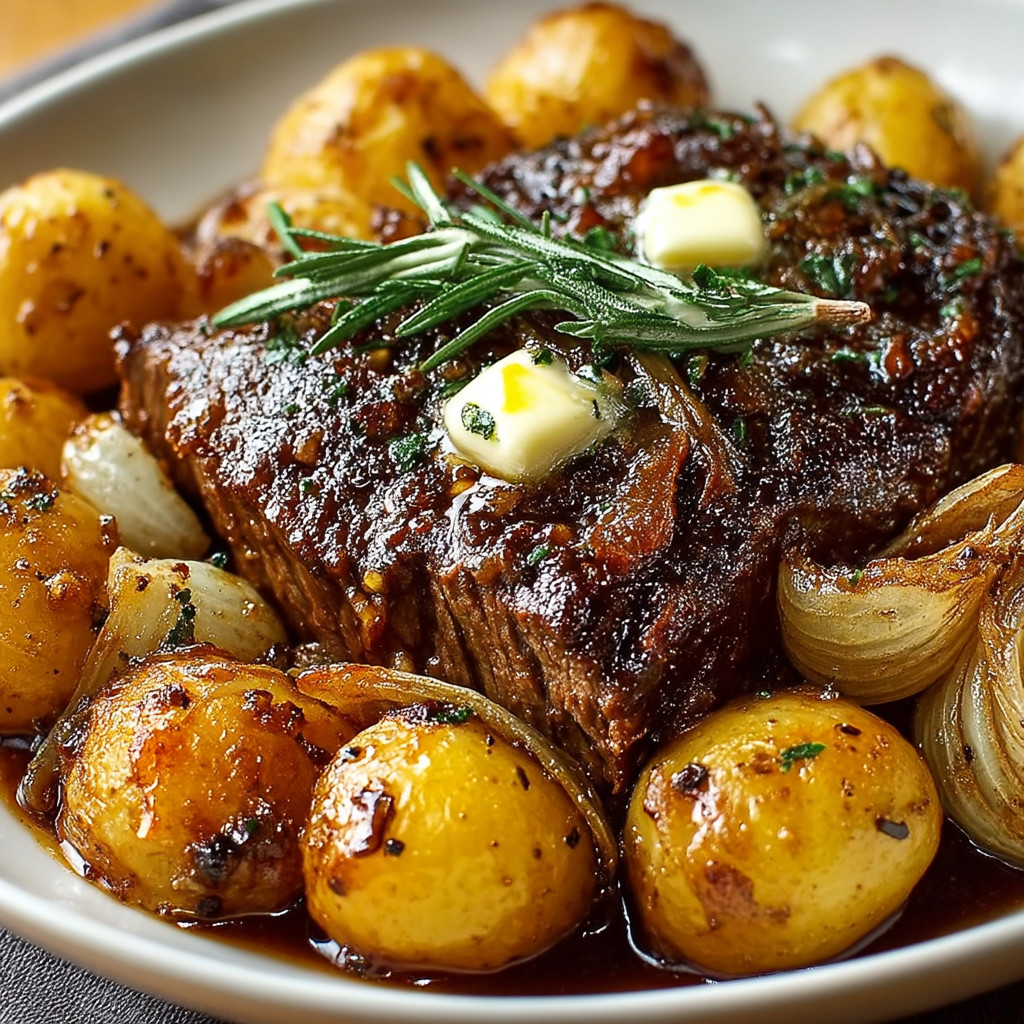
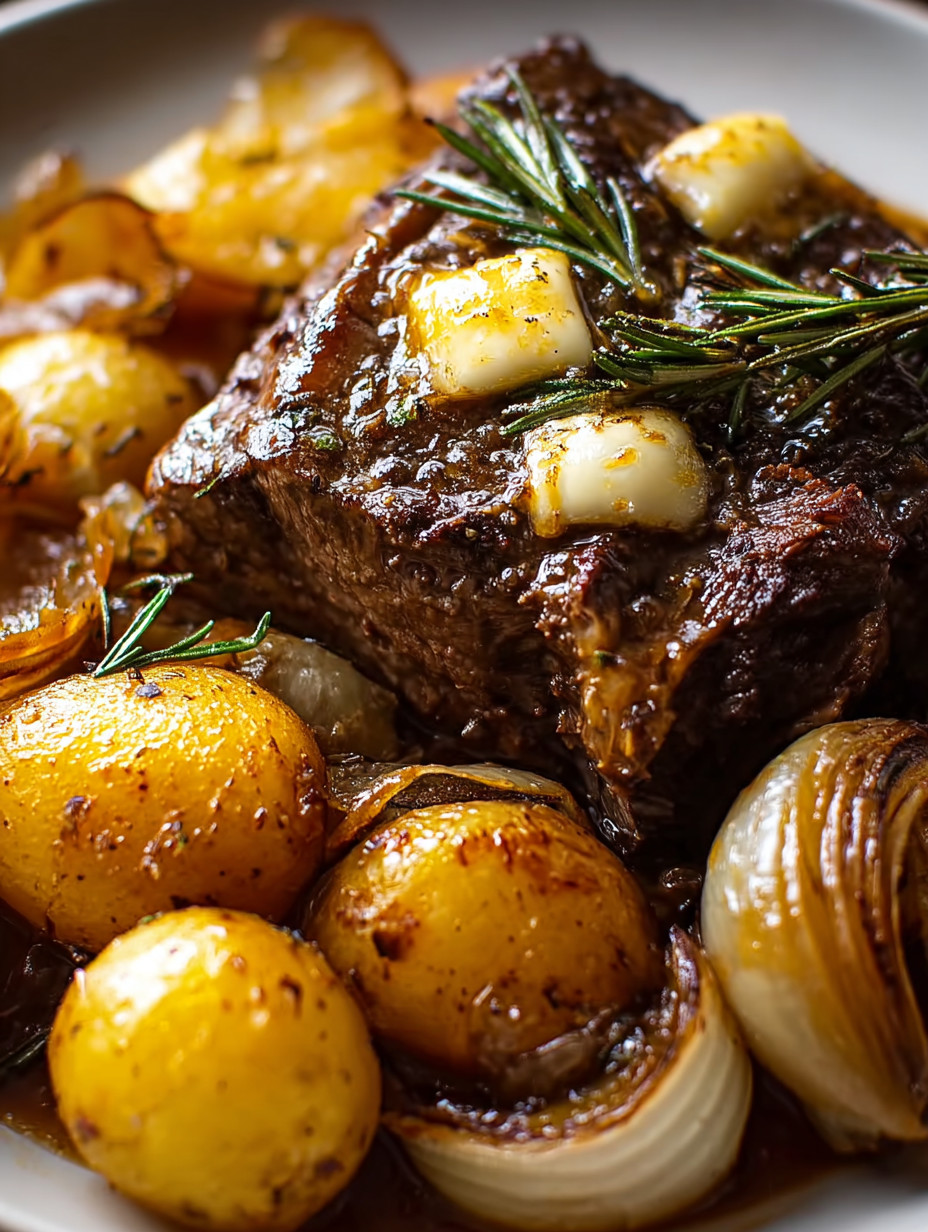
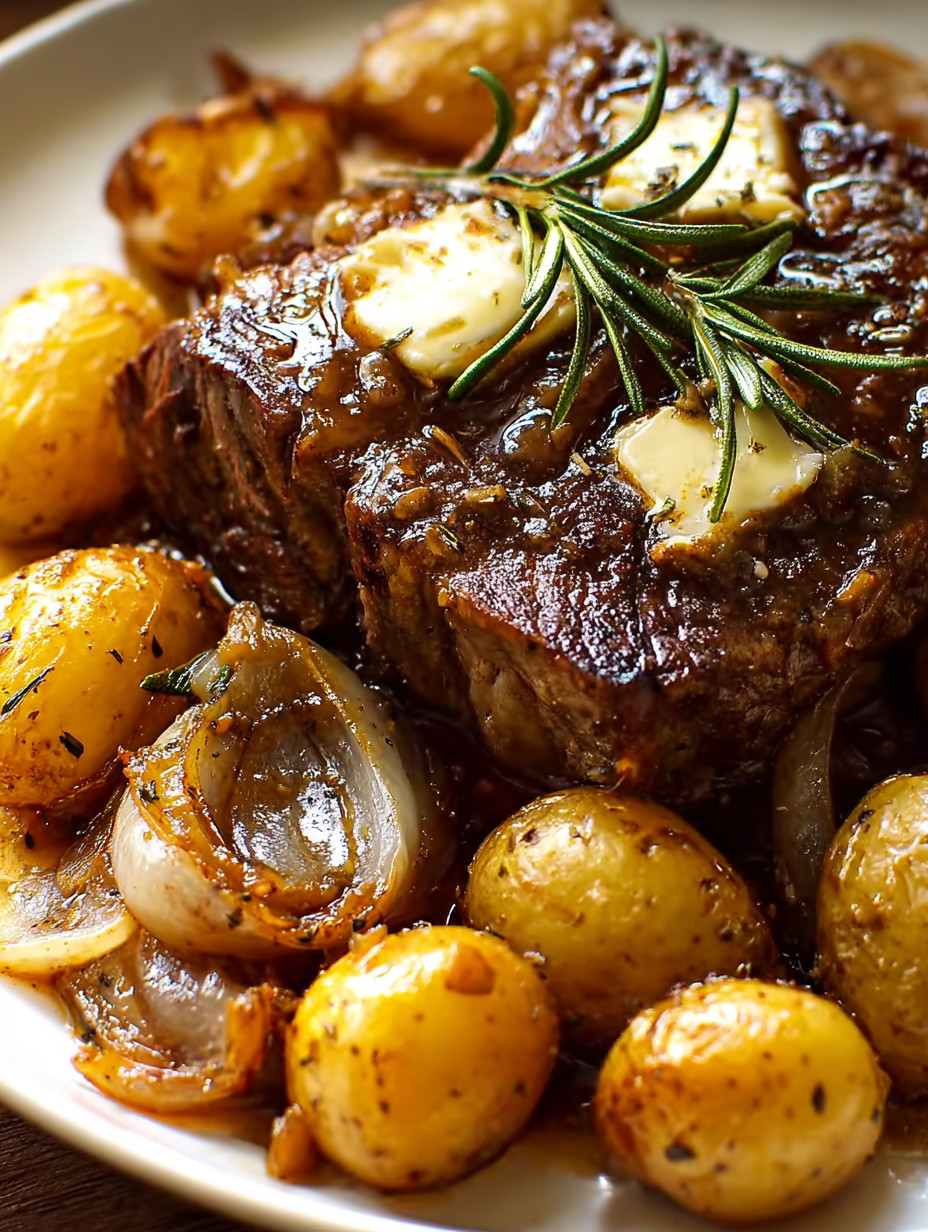
This Cider Braised Pot Roast is the definition of cold weather comfort. Imagine slow-cooked beef infused with apple cider, sweet onions, and herbs, with golden potatoes crisped in sage butter. The whole meal comes out of one pot, ready to bring everyone to the table for a Sunday feast. The smells alone make it nearly impossible to wait until dinnertime.
When I first tried pouring cider and apple butter into my usual roast, I was shocked by how rich and satisfying the sauce turned out. Now my whole family looks forward to this meal all winter.
Ingredients
- Beef Pot Roast: Choose a chuck roast with good marbling for the most tender result Look for deep red meat and plenty of fat threads running through it
- Flour: Helps brown and thicken the gravy A little bit goes a long way Choose unbleached all-purpose for the best flavor
- Onions and Shallots: Both develop intense sweetness during long roasting Use yellow onions for depth and shallots for a softer flavor
- Apple Butter: This adds richness and a subtle apple flavor Homemade or store-bought both work well Read the label to avoid too much added sugar
- Apple Cider: Use fresh apple cider not juice The tanginess works magic on tough beef
- Red Wine: Gives the entire dish backbone and rounds out the flavors Use one you like to drink for the best results
- Fresh Thyme: Brings herbal notes and brightness Snip off sprigs just before cooking
- Yukon Gold Potatoes: Keep their shape and get incredibly golden and creamy inside Avoid waxy potatoes which tend to fall apart Choose smaller potatoes for more crispy surface area
- Butter: Do not skimp Plenty is needed for the sage potatoes and the gravy European-style butter will make things extra rich
- Fresh Sage: Turns into crispy bites that everyone fights over Pick up a small bunch at the store look for lively green leaves
- Garlic Powder: Adds warmth and an underlying hit of savoriness Go for a fresh jar so the flavor pops
Step-by-Step Instructions
- Season and Prep the Roast:
- Begin by patting your chuck roast dry and rubbing it well with salt and pepper You want every surface coated for maximum flavor Lightly dust the meat all over with flour using your hands to ensure an even layer
- Brown the Aromatics:
- Heat a large Dutch oven over medium heat and melt a heaping spoonful of butter Add thick-sliced onions and shallots Cook slowly for twelve to fifteen minutes stirring now and then until they turn deeply golden and sticky This base gives the final dish a deep sweetness
- Sear the Beef:
- Push the onions aside in the pot and nestle the floured roast right onto the surface Sear each side until you see a dark crust This might take four to five minutes a side Every bit of color is more flavor in the pot
- Build the Braise:
- Smear apple butter thickly over the roast Pour apple cider and red wine around the roast until it comes about one third of the way up the meat Add a bundle of fresh thyme Toss potatoes all around tucking them into the spaces around the beef Sprinkle with garlic powder
- Braise Low and Slow:
- Cover your pot and transfer to a three hundred twenty five degree oven Let everything cook undisturbed for two and a half hours Uncover the pot and spoon some liquid over the beef Put back in the oven for another thirty minutes This last bit of uncovered time helps the roast brown beautifully and thickens the gravy
- Crisp the Potatoes:
- Carefully remove the now soft potatoes and spread onto a baking sheet Use a small cup or your palm to gently flatten them Melt butter in a small pan toss in ribbons of fresh sage and pour the infused butter all over the potatoes Return them to a four hundred twenty five degree oven twenty minutes is just right for a golden crisp finish
- Rest and Finish:
- Lift the roast from the pot and let it rest for ten minutes so the juices settle Skim excess fat from the pot sauce and taste for seasoning Slice the beef thickly and serve surrounded by the golden potatoes onions and plenty of herb-flecked sauce
 Pin
Pin
My favorite part is those crispy sage leaves on the potatoes They remind me of my grandmother who always pressed fresh herbs into the butter for our family roasts. Now my kids fight to grab the crispiest potato every time we make this.
Storage Tips
Store leftovers in an airtight container in the fridge for up to four days Reheat gently on the stove or in the oven Add a splash of cider or broth to loosen up the sauce and keep things juicy The potatoes crisp right back up when roasted for ten minutes at high heat
Ingredient Substitutions
No apple butter Try pear butter or a spoonful of apricot jam Or just increase the apple cider and simmer the sauce a bit longer for extra body You can use any hearty potato just stay away from overly starchy types like russets
 Pin
Pin
Serving Suggestions
Pair with crusty bread or a simple green salad for a balanced meal A dollop of horseradish cream is wonderful if you like a little kick For a festive dinner serve with roasted carrots or parsnips
Cultural Context
Pot roast has deep roots in family kitchens around the world and is especially beloved in American Sunday dinners The apple and sage spin gives it a bit of autumnal flair paying homage to classic English and Midwestern pairing of beef and orchard flavors
Recipe FAQs
- → Why coat the beef in flour before cooking?
Lightly coating the beef in flour helps create a flavorful browned crust during searing and thickens the braising liquid into a rich gravy.
- → Can I use a slow cooker for this dish?
Yes, after searing the beef and softening the onions, transfer everything to a slow cooker and cook for 8-10 hours. Add the potatoes during the final hour for optimal texture.
- → What’s the benefit of smashing the potatoes?
Smashing the potatoes increases surface area, allowing the sage butter to crisp the edges while keeping the centers creamy and tender.
- → What makes this braised beef different from others?
Apple cider and apple butter add a subtle sweetness that balances the savory beef, while crispy sage potatoes provide a memorable texture contrast.
- → Which cut of beef works best here?
Chuck roast is ideal because of its marbling, which breaks down during slow cooking to yield moist, flavorful meat.