
 Pin
Pin
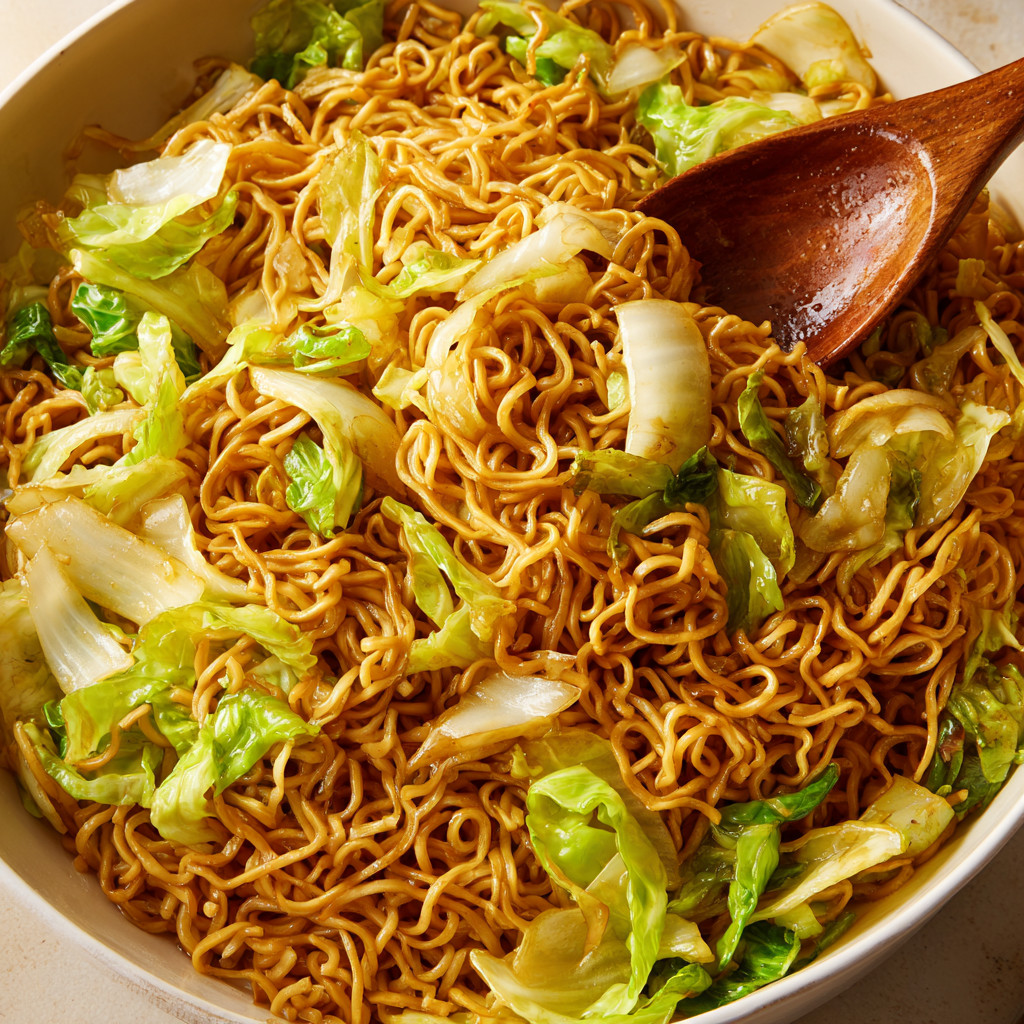
This Panda Express Chow Mein copycat recipe brings a true takeout classic right into your own kitchen. You get those savory, chewy noodles and tender-crisp vegetables tossed in a silky brown sauce just like the restaurant delivers. What makes this a winner is that it is surprisingly quick and gives you full control over the flavors and ingredients for a fresher homemade taste every time.
When I brought a big batch of this chow mein to a potluck last weekend, I watched a table full of kids come back for seconds and thirds. That golden caramelized noodle texture is always a hit.
Essential Ingredients and Selection
- Yakisoba or Chow Mein Noodles: Look for the fresh kind in the refrigerated section for that signature chewy bite. Dried lo mein noodles make a solid backup
- Cabbage: The heart of the dish. Pick a firm head with bright green leaves for crunch and natural sweetness
- Celery: Chilled stalks should snap and be free of rubberiness. This keeps the vegetables crisp and flavorful
- White Onion: Start with a juicy onion for a base of delicate sweetness. Choose firm ones with no soft spots
- Soy Sauce: Choose regular soy sauce for bold umami and deeper color. Avoid light soy sauce or your dish may taste flat
- Brown Sugar: Needed to balance the savory tones and bring out subtle caramel highlights. Go for fresh brown sugar that is soft and moist for better blending in the sauce
Step-by-Step Instructions
- Noodle Preparation:
- If using dried noodles, cook just a minute less than the package says for perfect texture. Drain thoroughly and lightly coat with oil to prevent sticking without making them greasy. Let noodles cool for a few minutes for easier stir frying
- Vegetable Preparation:
- Slice cabbage into very thin shreds for fast even cooking. Cut celery on a diagonal for appealing texture and increased surface area. Slice onion into half moons of equal size to help them caramelize consistently
- The Perfect Stir Fry:
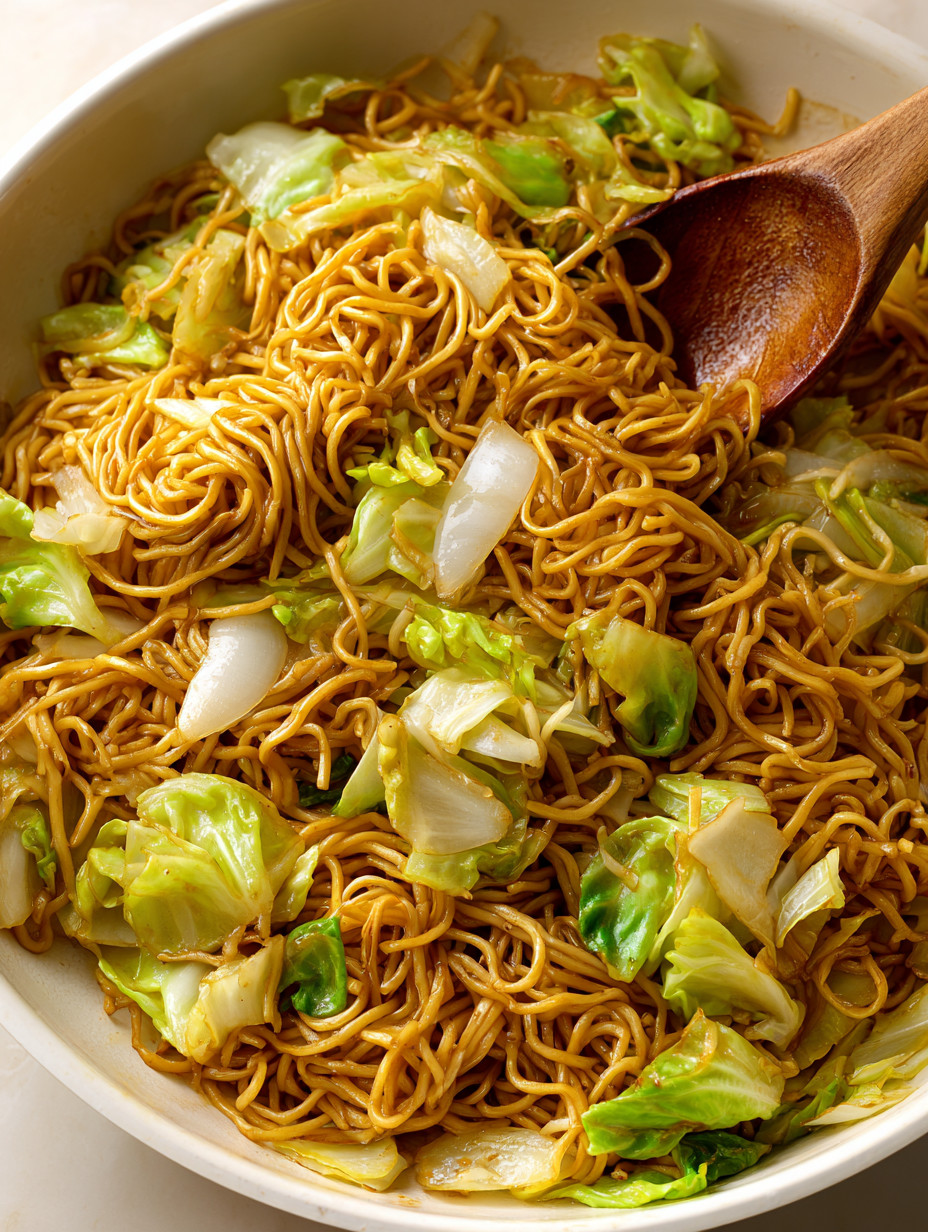
- Heat a large skillet or wok over high heat until almost smoking. Add onion and let it soften first to build flavor. Next add celery and cook until just starting to turn bright green. Add cabbage last to cook it crisp tender but not soft. Toss the noodles in swiftly keeping vegetables and noodles always moving. Pour in sauce a little at a time letting it cling and brown before the next addition for that perfect Panda color and flavor
 Pin
Pin
To me, celery is the unexpected star here. Its crunch and faint peppery flavor always reminds me of cozy Sunday lunches where my family would fight for the last serving. There is something about that bite that makes this chow mein just right.
Storage Tips
Chow mein keeps well in an airtight container in the fridge for up to three days. When reheating, add a splash of water and toss on the stovetop over medium heat to help revive the sauce and bring the noodles back to life. Avoid microwaving for too long because the noodles can get mushy.
Ingredient Substitutions
If yakisoba or chow mein noodles are out of reach, lo mein noodles or even spaghetti will do in a pinch. Swap green cabbage for napa cabbage for a lighter taste. You can use yellow onions instead of white, just expect a slightly sweeter result. Tamari can replace soy sauce for a gluten free version.
 Pin
Pin
Serving Suggestions
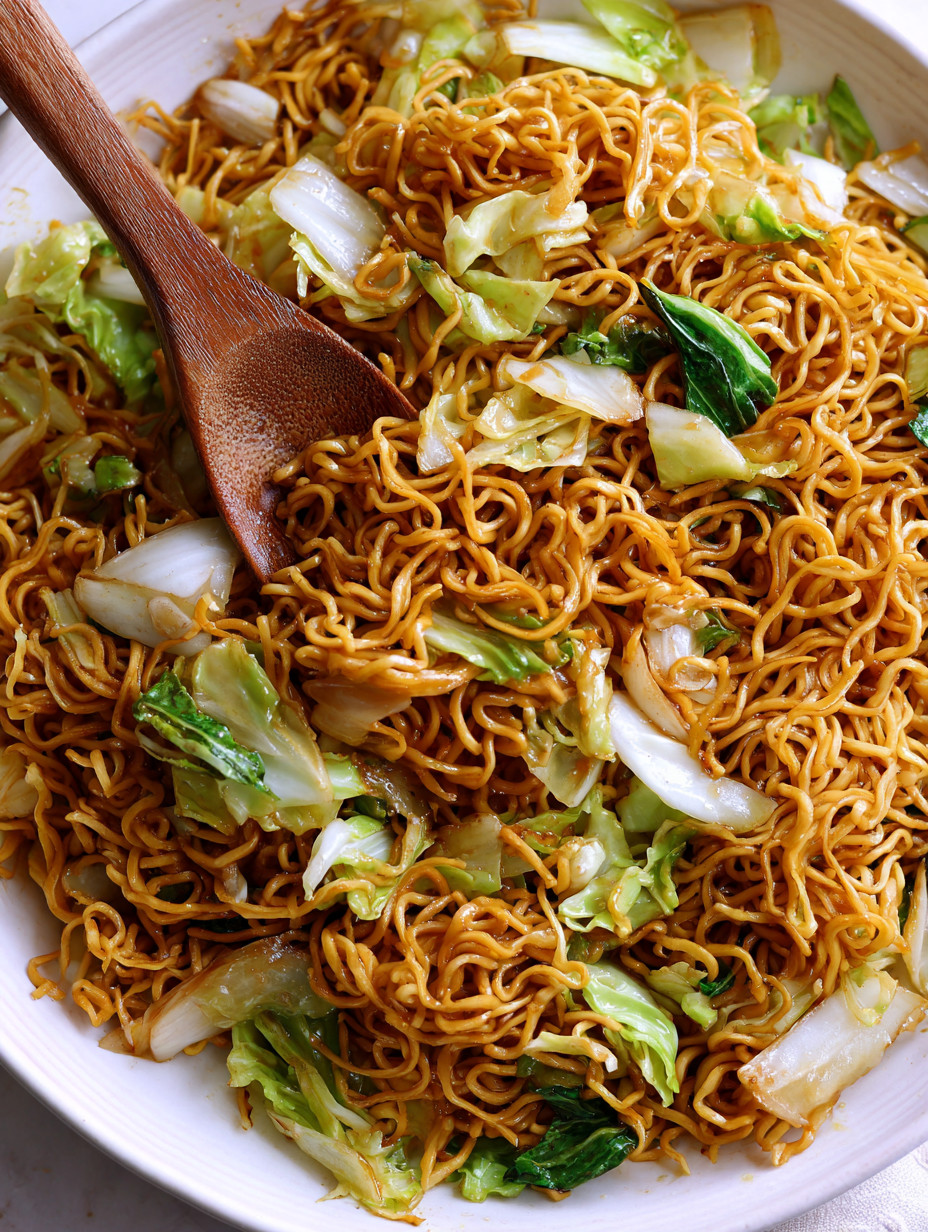
Serve the chow mein fresh from the wok as a main dish or as a side to classic orange chicken or teriyaki beef. For a nutritional boost, add julienned carrots or bean sprouts in the last minute of stir frying. A sprinkle of green onion and a few drops of sesame oil at the end make it feel extra special every time.
Cultural Context
Chow mein famously bridges Chinese cooking traditions with American preferences for bolder flavors and heartier textures. Panda Express popularized this dish far beyond its Cantonese roots, making it a favorite comfort food from coast to coast. At its core, it is about adaptability and satisfaction using simple ingredients.
There is real joy in quickly tossing together a homemade dish that delights adults and kids alike. Every time I make this chow mein I am reminded how a great meal is often just a handful of well chosen ingredients and a sizzling pan away.
Recipe FAQs
- → Where can I find Yakisoba noodles?
Look for fresh Yakisoba noodles in your grocery's refrigerated produce section rather than Asian aisles. They often come in multi-packs and offer the best texture for this dish.
- → Can I add sesame oil to this dish?
Yes, but use just a few drops to enhance depth without overpowering the other flavors. Sesame oil adds a subtle nutty aroma.
- → Are other vegetables suitable to add?
Absolutely. Carrots, bean sprouts, or bell peppers can complement the cabbage, celery, and onion for added nutrition and texture variety.
- → Why do my noodles sometimes break apart?
Overcooking is usually the cause. Heat the noodles just until warm but still firm to maintain their structure.
- → Can I prepare this dish ahead of time?
While best enjoyed fresh, this dish can be refrigerated. Reheat gently to avoid soggy noodles and preserve the texture.